Modernisme
Gaudí & Modernisme
The buildings that taught a city to curve.
Modernisme
The buildings that taught a city to curve.
Introduction
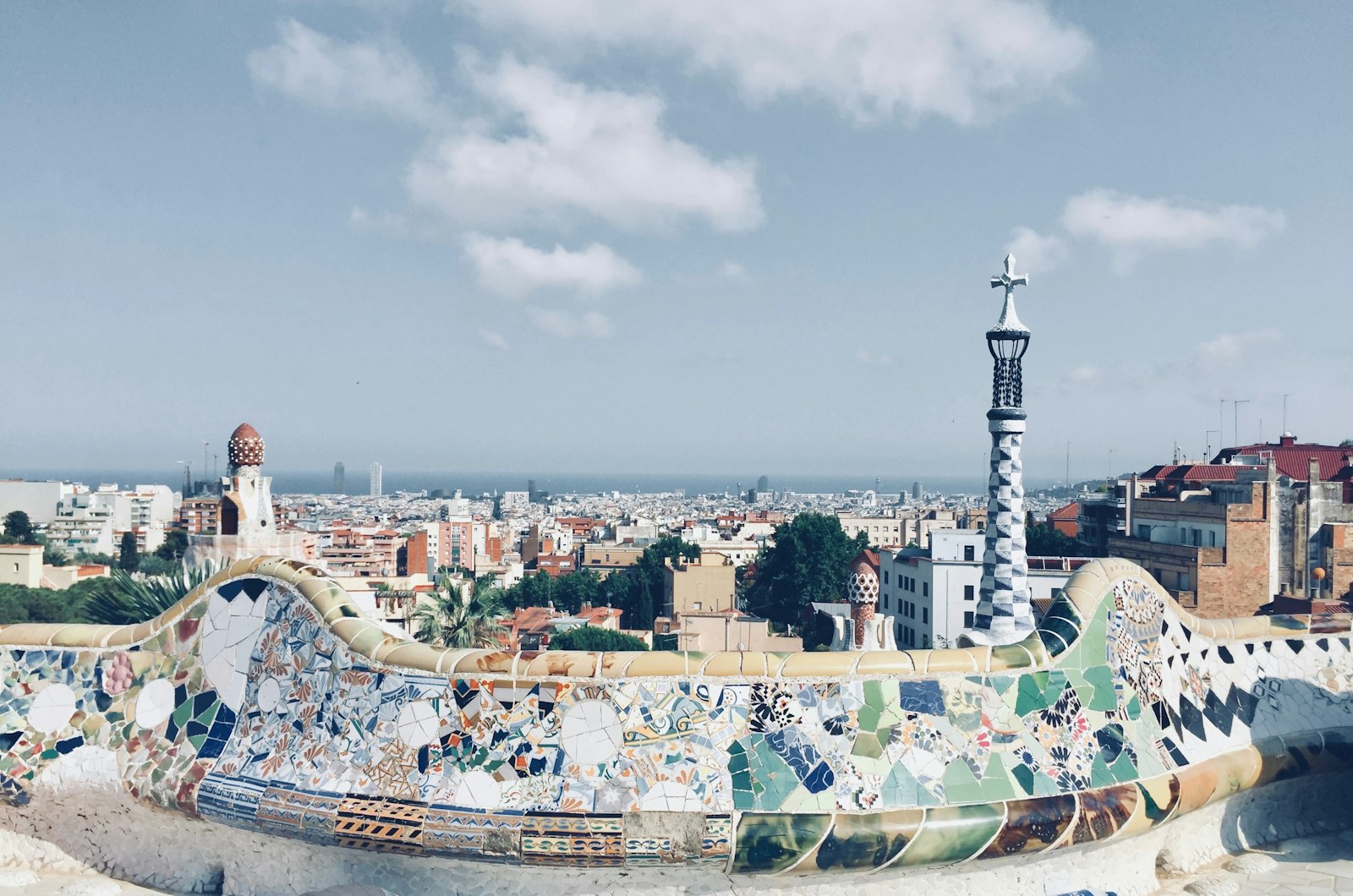
Between 1888 and 1926, Barcelona's merchant class commissioned an architecture unlike anything before or since. Gaudí was its genius, but not its whole story: Domènech i Montaner and Puig i Cadafalch built with equal audacity, often on the same block. Walk the Passeig de Gràcia for the famous façades, then seek out the quieter masterpieces — a concert hall of stained glass, a hospital designed to heal by beauty.
Stay in Gaudí & Modernisme
Curated, verified, and — every reservation — one tonne of CO₂ offset.
Find your stayNot to be missed
Gaudí's marine fantasy on Passeig de Gràcia — the bone-like balconies read best from across the street.
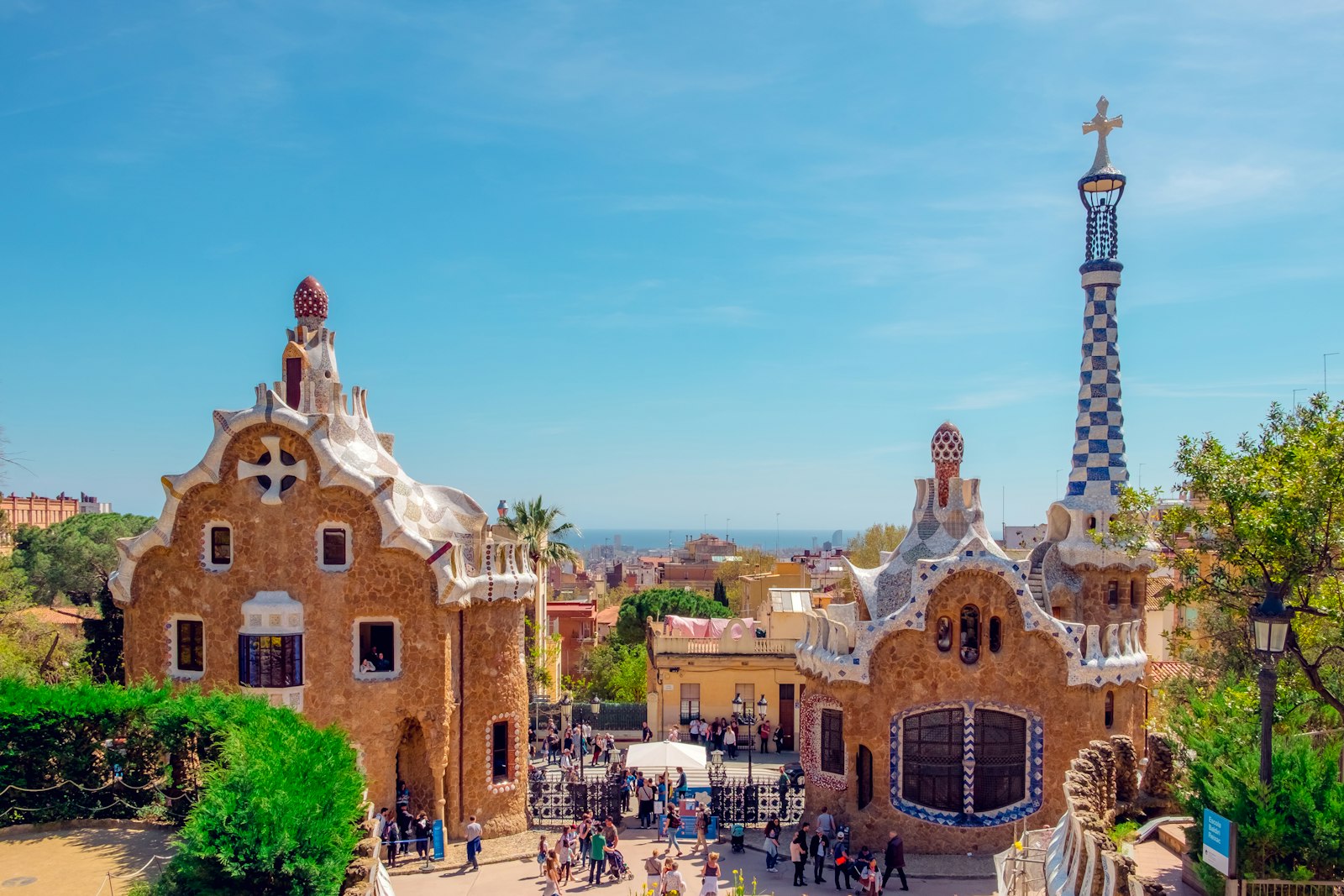
Casa Milà's undulating stone and warrior-chimney rooftop; the night visit is worth the premium.
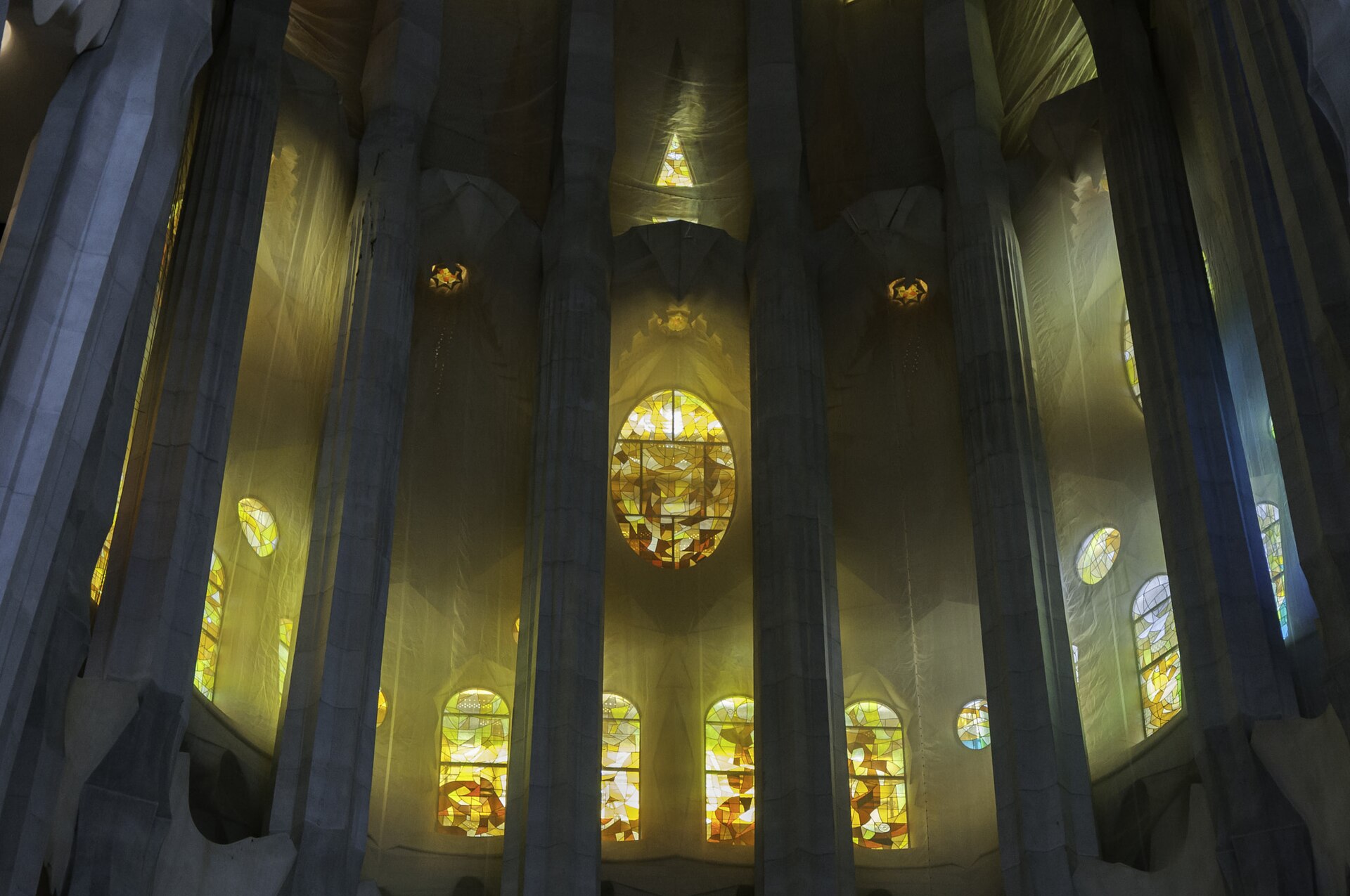
Domènech i Montaner's concert hall under an inverted dome of stained glass — hear music here if you can.
Gaudí's first house, a Moorish-tiled surprise in Gràcia, open to visitors since 2017.
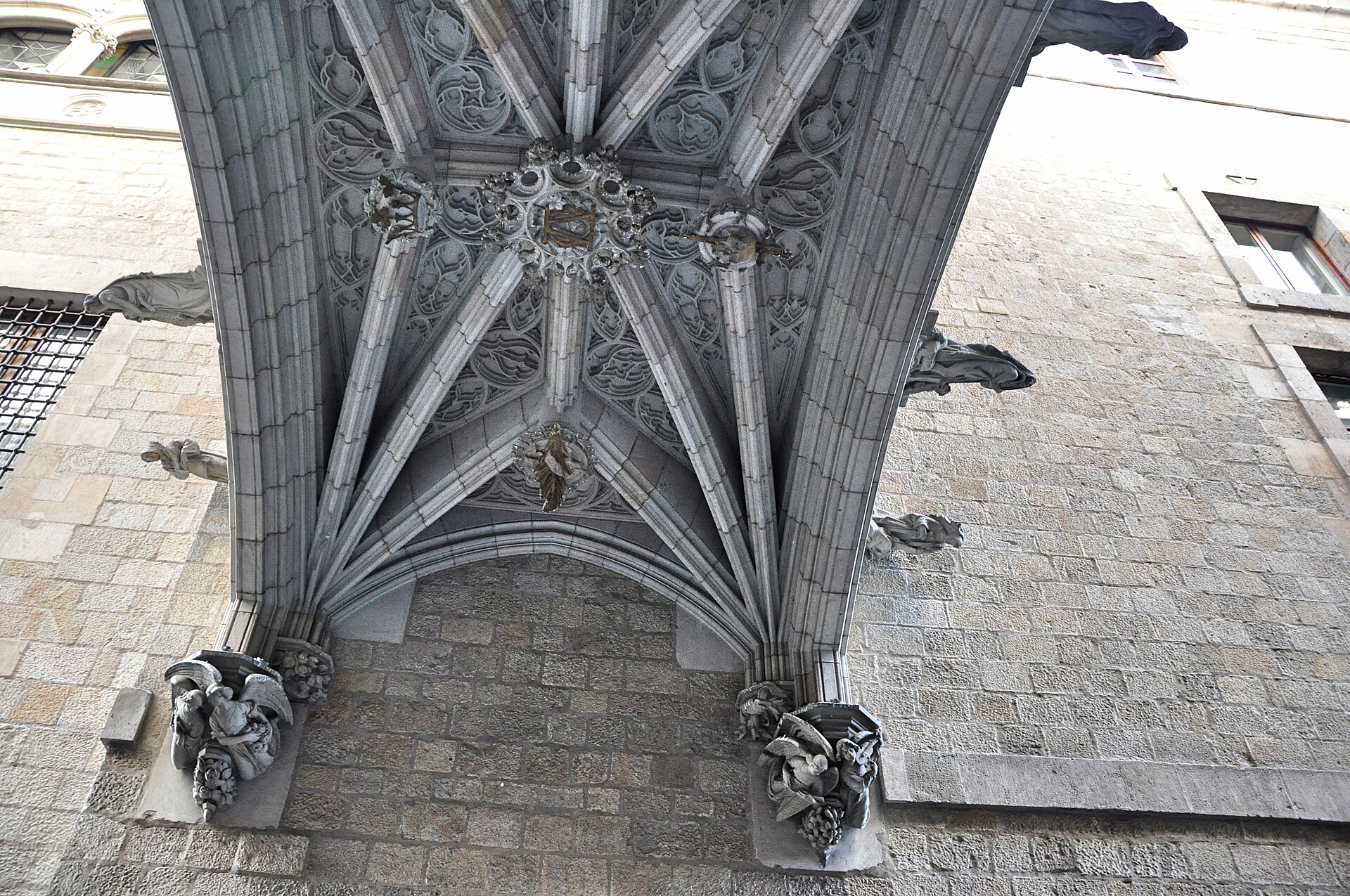
The young Gaudí's dark, theatrical townhouse just off the Rambla — start in the stables.
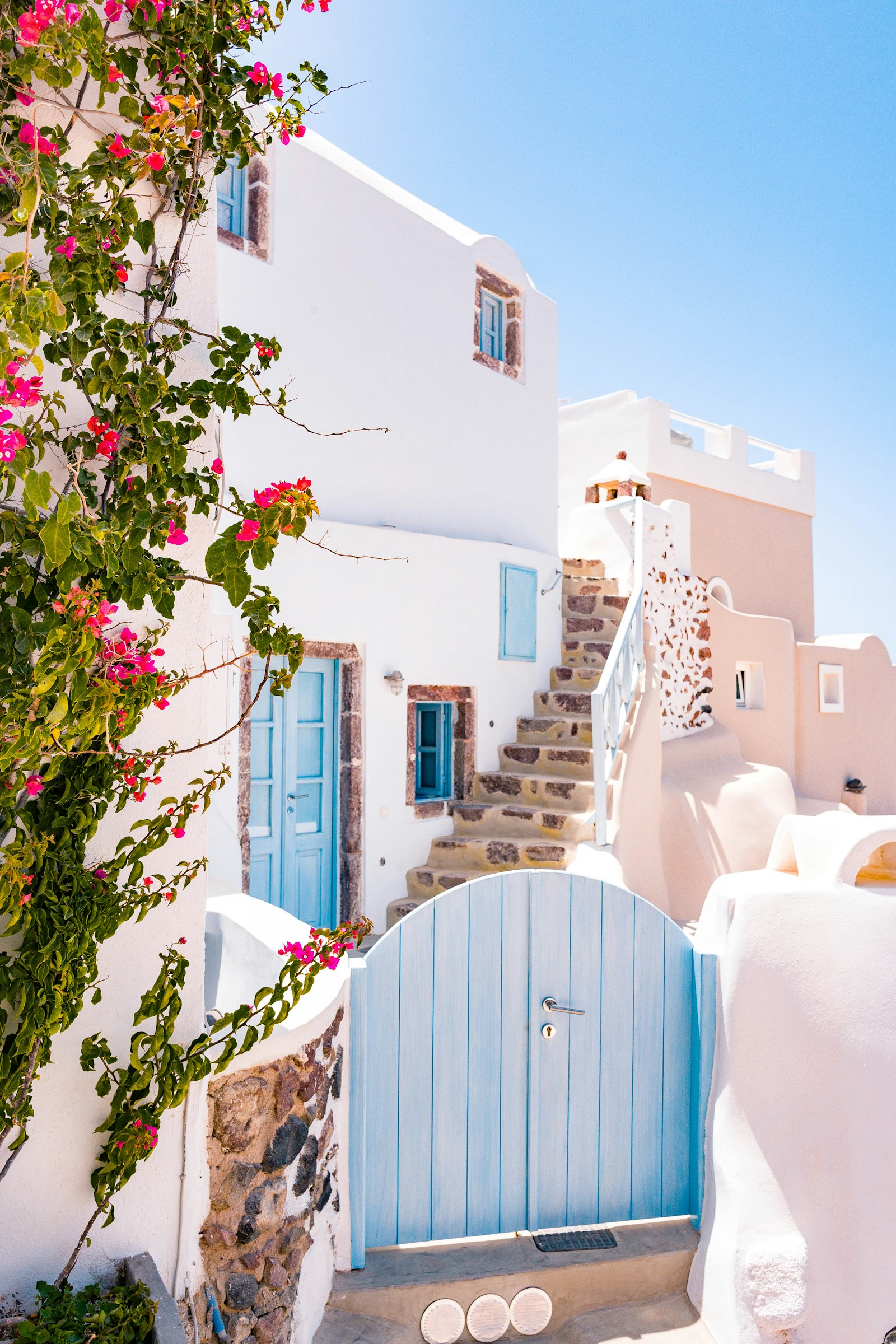
A garden city of Modernista pavilions, five minutes' walk from the Sagrada Família and a fraction of the crowd.
Featured stays
Plan your visit
Spring
Mar–May · Sant Jordi in April fills Passeig de Gràcia with roses and books.
Summer
Jun–Aug · Rooftop evenings at La Pedrera; book interiors for the heat of the day.
Autumn
Sep–Nov · Low sun raking the façades — the photographer's term.
Winter
Dec–Feb · House museums at their emptiest; concert season at the Palau.
Verified climate impact