The Roman Coast
Tarragona & Costa Daurada
Amphitheatres by the sea, golden sand for miles.
The Roman Coast
Amphitheatres by the sea, golden sand for miles.
Introduction
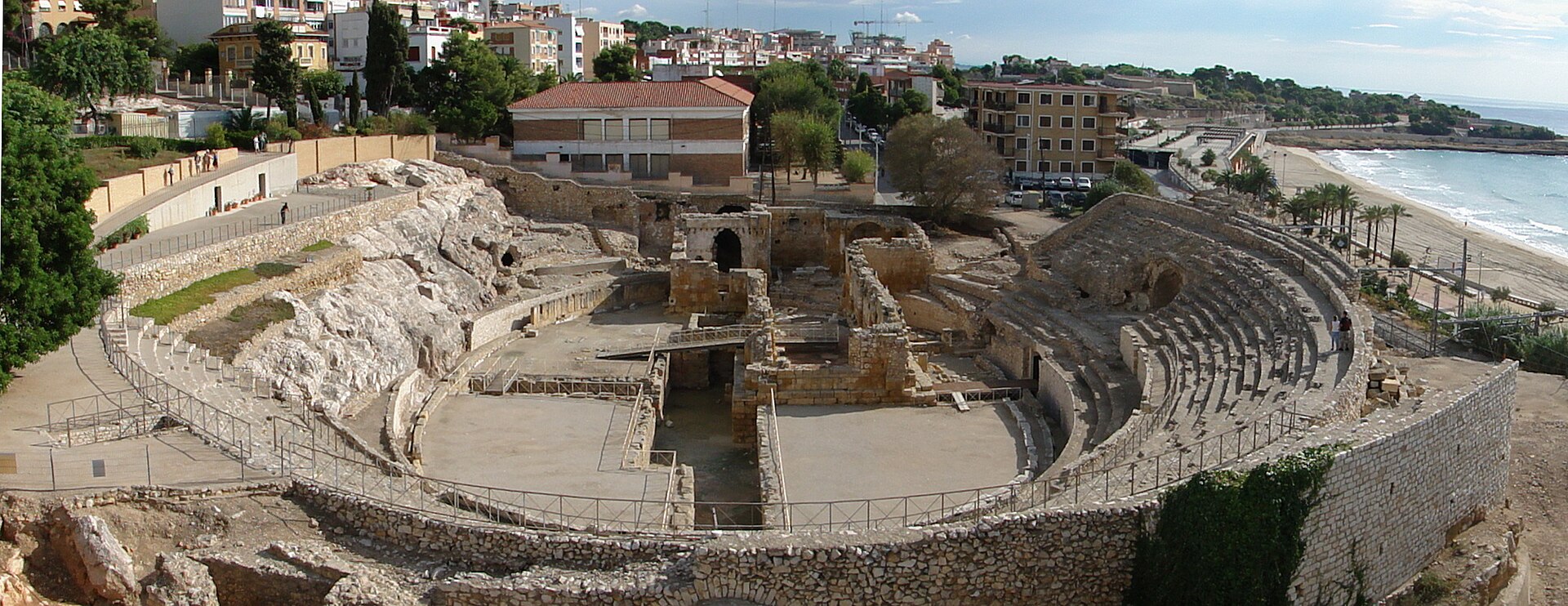
Tarragona was Tarraco, capital of Roman Hispania, and it shows: an amphitheatre sits directly above the beach, a first-century aqueduct strides across a pine forest outside town, and the medieval quarter is built into the old circus vaults. South of the city, the Costa Daurada unrolls in wide, shallow, family-friendly gold — and behind it, the Priorat's slate terraces produce some of Spain's most serious wine.
Stay in Tarragona & Costa Daurada
Curated, verified, and — every reservation — one tonne of CO₂ offset.
Find your stayNot to be missed
Second-century seating with a Mediterranean backdrop — the most photogenic ruin in Catalonia.
The Ferreres aqueduct, twenty minutes' walk through pines from the city edge.
The rail at the end of the Rambla Nova; locals touch the iron for luck.

The coast's eating town — fishing port by morning, rice and romesco by lunch.
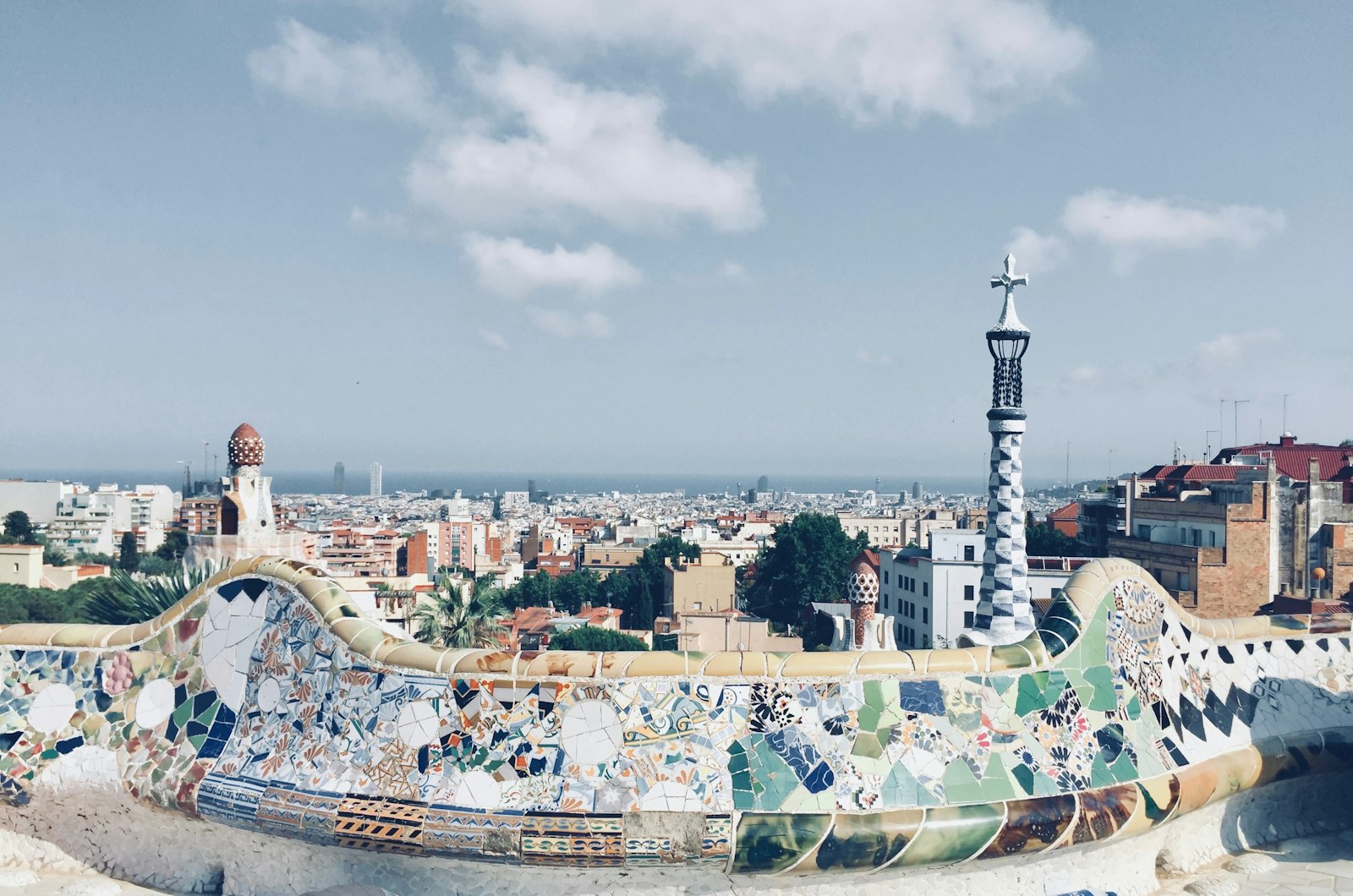
Gaudí's birthplace, with a Modernisme trail and the excellent Gaudí Centre.
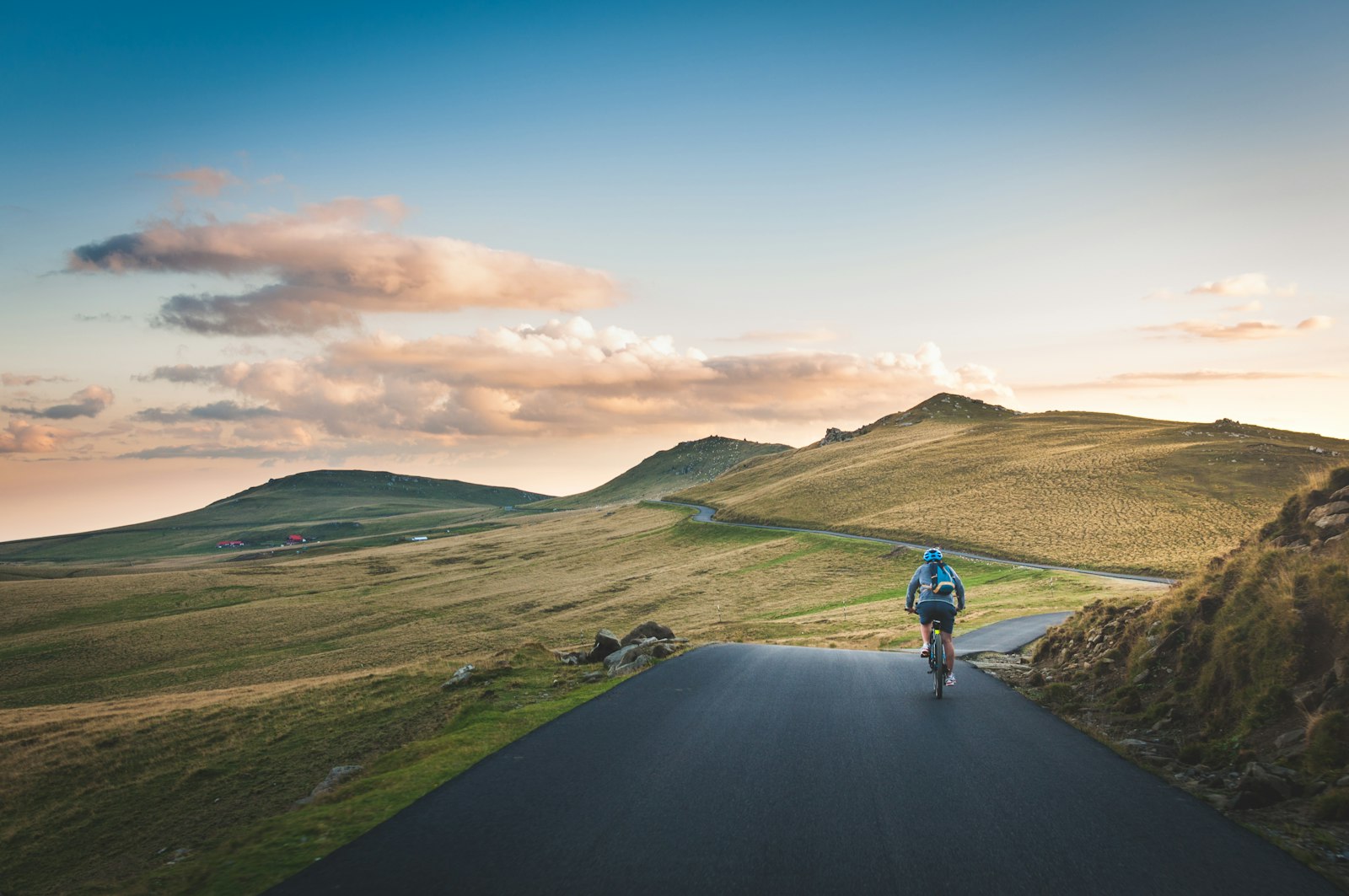
Rice paddies, flamingos, and oyster beds an hour south — rent a bicycle and ride the flats.
Featured stays
Plan your visit
Spring
Mar–May · Ruins without crowds; Holy Week processions through the old town.
Summer
Jun–Aug · Beach season proper, with Santa Tecla fireworks closing August.
Autumn
Sep–Nov · Harvest in the Priorat, warm sea into October, rice season in the Delta.
Winter
Dec–Feb · Calçot season inland at Valls — charred onions, romesco, no cutlery.
Verified climate impact